
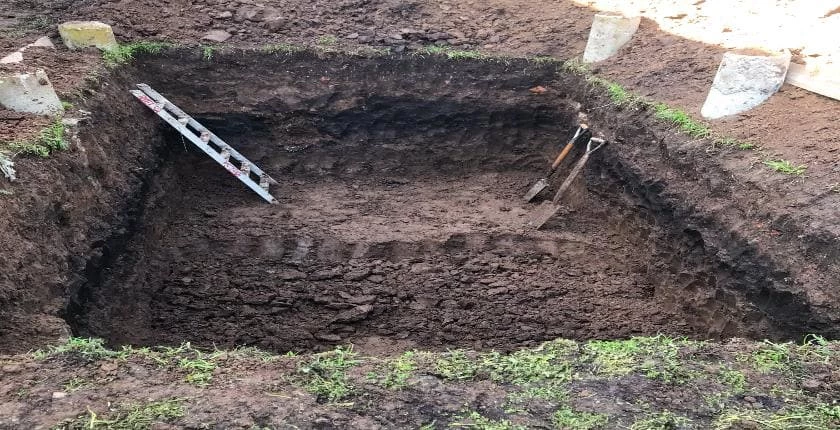
Soakaways
Get in TouchAt Valhalla Driveways & Patios, we specialise in installing soakaways to manage surface water drainage effectively and the surrounding area. Soakaways are essential solutions that help prevent flooding and waterlogging by collecting and dispersing rainwater into the ground.
Our expert team caters to both residential and commercial properties, ensuring the correct materials and methods are used for optimal drainage. Get in touch to arrange your soakaway installation.
What Is a Soakaway?
A soakaway is an underground structure designed to collect and disperse surface water. At Valhalla Driveways & Patios, we use soakaways to manage excess rainwater effectively.
Constructed usually from rubble or plastic crates, they temporarily hold water before allowing it to seep into the soil naturally. These structures can be enhanced with geotextile membranes that prevent soil particles from clogging the system, ensuring efficient operation.
In urban areas, where impermeable surfaces like driveways and patios increase runoff, soakaways are especially beneficial for reducing the risk of flooding by facilitating natural drainage processes. They comply with Sustainable Urban Drainage Systems (SuDS) guidelines, promoting environmentally friendly water management practices.
For homeowners seeking to safeguard their properties, installing a soakaway can significantly decrease the chance of waterlogging. If you're interested in implementing a soakaway on your property, contact us to discuss your requirements.
What Types of Soakaways Are Available?
We offer a range of soakaway options to suit different needs, each designed to manage water runoff effectively and adhere to drainage requirements.
Rubble-Filled Soakaways: Traditional systems using stone or rubble for filtration, ideal for properties with larger gardens where natural filtration methods are preferred. These systems filter water through layers of stone to promote groundwater recharge.
Plastic Crate Soakaways: Modern systems using modular crates for efficient water storage. These crates can hold large water volumes and are suitable for urban areas with limited space. They are generally lightweight and easy to install, providing flexibility in design.
Permeable Paving Systems: Surface materials allowing water to pass through to a soakaway below, perfect for driveways and patios where surface water needs to be managed efficiently. These systems help reduce surface runoff and prevent localised flooding.
Linear Drain Systems: Channels directing water to a soakaway or main drainage line. These are often used along the edges of driveways and other paved areas to efficiently channel rainwater away.
Our team can advise on the most suitable option to meet your specific site requirements and ensure compliance with Building Regulations.
What Properties Are Soakaways Suitable For?
Soakaways are suitable for a variety of property types, effectively managing surface water and preventing flooding. At Valhalla Driveways & Patios, we install soakaways in residential gardens, commercial car parks, and industrial estates.
These systems are particularly beneficial for properties with adequate permeable soil, like sandy or loamy soil, which facilitates efficient water dispersal. Each installation follows the British Standard BS EN 752, ensuring compliance and quality.
Soakaways help manage rainwater from roofs, paved surfaces, and driveways, reducing the risk of waterlogging and damage to foundations. They are typically 1 to 2 cubic metres in size, depending on the property requirements and local planning regulations.
However, soakaways are not suitable for properties with high water tables or clay soil where drainage is poor, as these conditions hinder water absorption and can lead to overflow or backflow issues.
Contact us today to learn more about suitability for your property.
When Is a Soakaway Needed?
Soakaways are needed when surface water drainage is insufficient, leading to waterlogging or flooding. Areas with clay-heavy soil, which are common, often suffer from poor drainage due to their low permeability.
If you experience pooling of water after rain or have issues with dampness in your property, it might be time to consider a soakaway. Many properties with large impermeable surfaces like driveways, patios, and rooftops benefit from their installation.
In addition, properties that are located on a slope may also see increased water runoff, making a soakaway crucial to manage excess water efficiently.
Typically, a soakaway design involves excavation and the installation of either a soakaway crate system or traditional gravel infill. This system helps to redirect and absorb water back into the ground, thereby reducing surface water.
We ensure that any installation complies with local building regulations and is designed to adequately handle expected rainfall volumes.
Contact us to evaluate whether a soakaway is suitable for your property's drainage needs.
How Does a Soakaway Work?
A soakaway works through a straightforward process designed to efficiently manage surface water runoff and prevent waterlogging on your property.
Collection: Rainwater is channelled from surfaces such as driveways and patios into the soakaway using pipes and gullies, often incorporating silt traps to reduce debris before reaching the soakaway.
Filtration: Once the water reaches the soakaway, it filters through aggregates or modular plastic crates that conform to BS EN 13242 standards, effectively removing silt and other particulates. These materials are selected for their durability and high porosity.
Seepage: The filtered water then gradually seeps out from the soakaway, facilitated by geotextile membranes placed around the structure to prevent soil clogging.
Dissipation: Finally, the water is absorbed into the surrounding soil, aided by the soil's natural permeability and the soakaway's strategic depth and placement, thereby mitigating the risk of flooding and soil erosion.
This process benefits residential and commercial properties by enhancing drainage efficiency and environmental sustainability. Consider contacting us to evaluate the suitability of a soakaway system for your area.
How Long Does Soakaway Installation Take?
Most soakaway installations take between one to three days, depending on the size of the system and ground conditions. We initially conduct a thorough site assessment to determine soil permeability and the water table level, which can influence the timescale.
In some cases, more complex installations, such as those with larger capacity requirements or in areas with clay soil, might extend the project to four to five days.
After installation, the area may need an additional day to settle and for any initial seepage to stabilise before full effectiveness. During this time, we ensure the system complies with Building Regulations and any applicable local authority requirements.
Regular progress updates are provided to keep you informed. Contact us today to schedule your installation.
Who Needs Soakaways?
Various clients can benefit from soakaways. Our services cater to homeowners looking to reduce garden flooding, commercial property managers needing effective car park drainage, and local councils addressing public area water management.
We employ methods such as infiltration trenches and modular geocellular systems to handle rainwater efficiently. Our soakaway installations conform to Building Regulations Part H, ensuring compliance and effectiveness.
For residential properties, soakaways can alleviate issues with waterlogged lawns and gardens, while in commercial settings they help protect infrastructure from water damage. We typically use materials like gravel and perforated pipes, which facilitate efficient water absorption and dispersion.
Whether you have domestic or commercial needs, soakaways offer a practical solution. Contact us to explore how a soakaway can enhance your drainage system.
How Much Does a Soakaway Cost?
A typical soakaway installation costs between £800 to £1,500. The exact price depends on factors like the system type, size, and ground conditions.
For example, if we need to install a more extensive pipe network or excavate challenging soil types such as clay or rocky terrain, costs could increase. We also consider drainage capacity and compliance with local regulations like Building Regulations Part H, which can influence the design specifications and necessary permits.
Complex installations, including those with larger capacity needs or difficult site access, might be on the higher end. It typically takes two to three days to complete the installation using equipment like mini-diggers and laser levels to ensure precision and efficiency.
Contact us for a detailed, tailored quote based on your specific requirements.
What Are the Benefits of Soakaways?
Soakaways provide multiple advantages, effectively addressing common drainage challenges while supporting sustainable practices.
Effective Water Management: By absorbing excess rainwater, soakaways significantly reduce surface water flooding, protecting both residential and commercial properties alike.
Environmental Benefits: The natural filtration of rainwater through soakaways enhances ground water recharge, supports local ecosystems, and prevents pollutants from entering rivers and streams.
Cost-Efficiency: With minimal maintenance requirements and a long lifespan, soakaways offer a cost-effective drainage solution. They typically do not require ongoing operational costs, making them an economical choice for homeowners and developers.
Versatility: Soakaways are compatible with various property types, from urban single-family homes to rural estates. They can be designed and scaled to meet specific site conditions and soil permeability rates.
This system not only offers practical drainage solutions but also promotes eco-friendly water management, making it an excellent choice for a wide range of applications. For more information or to discuss your specific needs, feel free to contact us.
Why Choose Valhalla Driveways & Patios for Soakaways?
At Valhalla Driveways & Patios, we bring expertise and a commitment to quality in installing soakaways. Our process begins with a detailed site assessment to determine soil permeability and water table levels, ensuring the most effective drainage design.
We use materials such as gravel and perforated pipes made of durable PVC to construct systems that reduce surface water runoff and comply with Building Regulations Part H.
Our team uses accurate excavation techniques and laser levels for precise grading, preventing future flooding and waterlogging issues for various property types, including residential gardens and commercial landscapes. We also consider future capacity for drainage by assessing potential changes in the surrounding environment, helping to future-proof your investment.
We prioritise customer satisfaction, providing reliable and efficient drainage solutions. Reach out to us today to find out more.
Soakaways: Frequently Asked Questions
How often do soakaways need maintenance?
Soakaways typically require minimal maintenance, with inspections every year to remove debris and ensure optimal function.
Can soakaways handle heavy rainfall?
Properly designed soakaways can handle typical heavy rainfall. However, extremely prolonged rain may require additional drainage solutions.
How long does a soakaway last?
A well-installed soakaway can last 20 to 30 years, depending on the soil conditions and maintenance.
Are soakaways covered by building regulations?
Yes, soakaways need to comply with Building Regulations to ensure effective surface water management and environmental protection.
Can soakaways be used in all soil types?
Soakaways are not suitable for dense clay soils or high water table areas. A site assessment determines suitability.
Get a Free Quote for Soakaways
Contact Valhalla Driveways & Patios today to discuss your soakaway needs.
Related Soakaway Services
Soakaways can support surface water management by providing a means of dispersing collected rainwater into suitable ground conditions.
They can form part of driveway drainage systems where surface water needs controlled management.
Soakaways may be incorporated during driveway installation when drainage is planned alongside the new surface.
Existing driveway drainage problems can be addressed as part of driveway restoration work.
Drainage considerations can also form part of broader hard landscaping projects.
Where changes in levels affect water movement, retaining wall construction can be relevant to the wider landscape design.